

Fetal Treatment
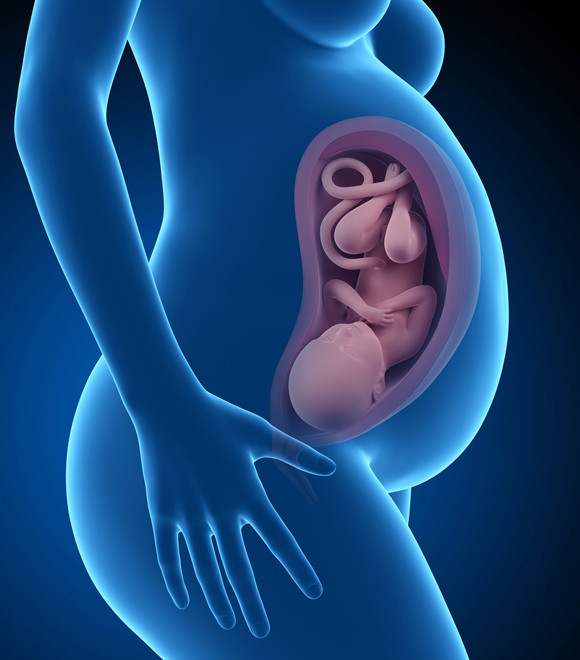
Why should you receive fetal treatment
for at AMC?
AMC opened the Fetal Treatment Center in July 2004, at a time when approximately 3~4% of newborns were born with fetal anomalies. It was the first center of its kind in Korea, established to provide accurate prenatal diagnoses using high-resolution ultrasonography, as well as comprehensive information and treatment for fetal conditions.
The Fetal Treatment Center performs around 4,000 procedures each year, including high-resolution ultrasonography, amniocentesis, chorionic villus sampling, umbilical cord blood test, amnioinfusion, amnioreduction, amnioexchange, fetal ovarian cyst aspiration, fetal shunt procedures, fetal radiofrequency ablation, fetal transfusion, and fetoscopic surgery. This is the highest annual volume of such procedures in Korea.
One of the key strengths of the center is its ability to detect and diagnose fetal anomalies through ultrasound screening. At the same time, the center offers consultation to parents regarding postnatal treatment. It operates in close collaboration with related departments, including Pediatrics, Pediatric Cardiology, Pediatric Surgery, Pediatric Cardiac Surgery, Pediatric Urology, Pediatric Neurology, and Pediatric Plastic Surgery. This multidisciplinary approach ensures seamless and timely care for the baby immediately after birth.
Prenatal diagnosis of major fetal diseases
| Classification | Name of disease |
|---|---|
| Central Nervous System Disorders |
|
| Face and Neck Disorders |
|
| Chest Disorders |
|
| Congenital Heart Disorders |
|
| Gastro-enteric System Disorders |
|
| Abdominal Wall Disorders |
|
| Urinary System Disorders |
|
| Musculoskeletal System Disorders |
|
| Twin Pregnancy Disorders |
|
| Other Fetal Disorders |
|
Major treatments

Medical Care
Fetal Hypothyroidism Treatment: Thyroxine is injected into the amniotic fluid, and oral thyroid medication is prescribed to the mother.
Amnioinfusion, Amnioreduction
Amnioinfusion is performed in cases of oligohydramnios for both diagnostic and therapeutic purposes, helping improve ultrasound visualization and reduce complications. Amnioreduction is performed to remove excess amniotic fluid, commonly used in cases such as twin-to-twin transfusion syndrome (TTTS) with polyhydramnios. These procedures are safely conducted under continuous ultrasound guidance by our experienced maternal-fetal medicine team.
Fetal Transfusion
Fetal transfusion is one of the treatments for fetal anemia caused by various underlying conditions. Transfusion involves finding the umbilical vein by ultrasound guidance to perform a venipuncture on the placental site and to check if there is fetal blood reflux. Once verified, a small blood sample will be collected to perform testing of hematocrit, hemoglobin, and other parameters. Based on the results, a calculated dose of is then transfused to the fetus.
Fetal thoracentesis and paracentesis
These procedures are performed to identify the cause of and relieve symptoms associated with fluid accumulation in the fetal pleural or peritoneal cavity. Using real-time ultrasonography, a needle is inserted into the uterus while avoiding the placenta and the umbilical cord. It then reaches the fetal pleural or peritoneal cavity to drain the accumulated fluid.
Samples of pleural or ascitic fluid are collected to analyze their contents, identify the underlying cause, and assess the prognosis. The results are used to prevent imperfect fetal lung maturation caused by an excessive amount of pleural and ascitic fluids and to support the fetus in swallowing amniotic fluid effectively.

Fetal Shunting
Fetal shunting is a procedure that drains fluid from a fluid-filled fetal space into the amniotic cavity. It is an ultrasound-guided percutaneous procedure which is less invasive than open surgery or fetoscopic surgery, although its indications are limited.
The procedure is performed under a real-time ultrasonography. If the posture of location of the fetus is inappropriate, the procedure may be delayed or unsuccessful. In rare cases, reoperation may be necessary if a basket is deviated by the fetus’ movement inside the uterus. Complications such as preterm premature rupture of membranes, preterm labor, premature birth, or stillbirth caused by infection are rare. Therefore, patients require hospitalization for the procedure along with intensive monitoring and care.
Radiofrequency Ablation (RFA)
Radiofrequency ablation (RFA) is a medical procedure in which a lesion is pricked with a needle and the tissue around the lesion is ablated by using heat generated by medium frequency alternating current. It can be performed on the fetus during pregnancy, and is often used for conditions such as monochorionic twin and sacrococcygeal teratoma.
Fetoscopic Surgery
Recent studies report that fetoscopic selective laser coagulation (FSLC) is the most advanced and effective treatment for Twin-to-Twin Transfusion Syndrome (TTTS). The procedure is performed under local, epidural, or spinal anesthesia. A small skin incision is made, and a trocar is inserted under ultrasound guidance. Through this access, a fetoscope is used to locate placental vascular anastomoses, which are then selectively coagulated using laser energy.
This procedure directly treats the root cause of TTTS by interrupting abnormal blood vessel connections between the twins, significantly improving perinatal outcomes and survival rates for both fetuses. Our center has performed the highest number of fetoscopic laser surgeries for TTTS in Korea, establishing itself as a national leader in fetal therapy with expertise and outcomes recognized worldwide.
AMC’s Treatment Performance
- Established Korea’s first Fetal Therapy Center in 2004
- Expanded specialized services, including the Fetal Diagnostic Clinic and Fetal Cardiology Clinic
- Achieved the world’s first fetal shunting in a 13th-week fetus withventriculomegaly in 2005
- Relocated the outpatient clinic, delivery unit, and inpatient ward to the New Building equipped with state-of-the-art facilities in 2008
- Built dedicated operating rooms and maternal intensive care units within the delivery suite
- Actively performing fetoscopic surgeries since 2011, holding the highest number of cases in Korea
- Hosted nationwide fetal therapy workshops
- Developed a mobile app enabling real-time communication with affiliated clinics via AMC Referral Center in 2014
- Performed successful fetal aortic valvuloplasty for critical aortic stenosis in 2016
- Provided surgical care and treatment for pregnant women infected with COVID-19 between 2019 and 2022
- Achieved a 95% success rate in uterine artery embolization for postpartum hemorrhage in 2021
- Reached 300 cases of fetoscopic laser surgery for Twin-to-Twin Transfusion Syndrome (TTTS) by July 2024
- Established an emergency room dedicated to obstetric patients within the delivery unit, ensuring prompt evaluation and treatment
- Built a comprehensive multidisciplinary care system to ensure safe deliveries in high-risk pregnancies
- Holds the largest number of fetal therapy cases in Korea, with outcomes recognized globally